For five years across the fields Brutal shells crashed down. Destruction claimed a savage cost In every ruined town.
Lethal waves of metal rained, Stole eight million men. And when the guns fell silent They said, “No war again!”
But the hearts of men are dark, War runs through their veins. It seems that peace is fragile Compared with wartime’s aims.
In response to November prompt Remembrance Day
Teacher’s note: When the First World War ended on the eleventh hour of the eleventh day, 1918, everyone called it “the war to end all wars”. Using this poem, students can discuss why wars break out and how we can avoid them in future.
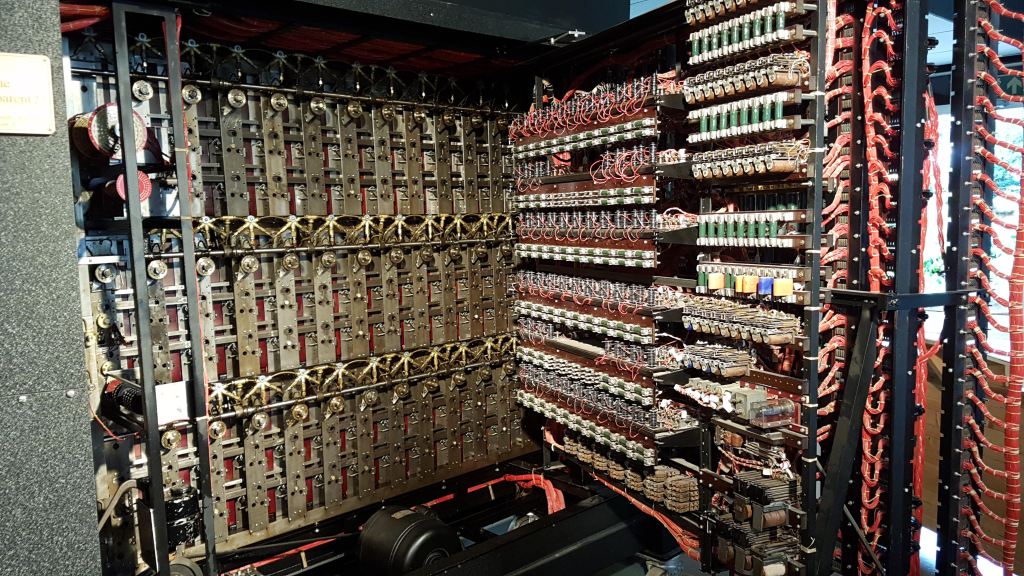
Teacher’s note: During the Second World War, Alan Turing (1912—1954) was a code breaker who worked in Hut 8 at Bletchley Park in England. Pictured above is a bombe, the electromechanical machine which cracked the enemy’s Enigma code. Turing’s pioneering work in computer technology sped the development of today’s computers. It is estimated thathis code breaking computer science shortened the war in Europe by more than two years and saved over 14 million lives.
Teacher’s note: Use this poem to ask students how they avoid wasting toothpaste and other products around the home,and why it’s a good idea to avoid wastage of any kind.
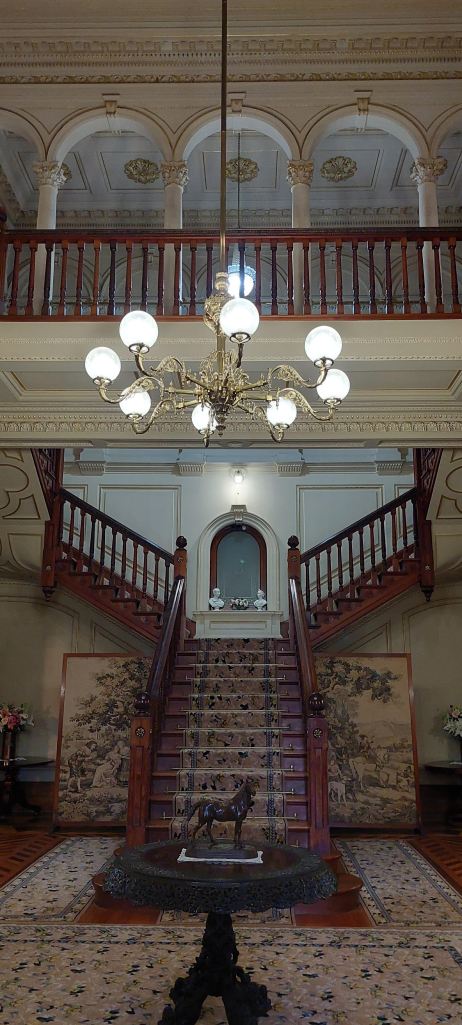
Teacher’s note: Martindale Hall, Mintaro, South Australia, famously appeared in the movie Picnic at Hanging Rock. Completed in 1880 with 32 rooms, and once the home of the Mortlock family, this Georgian mansion is now open to the public six days a week.



 Australian Children’s Poetry