
Me, I like the past.
You can see what’s behind you
Without a mirror.

Image from Pixabay
high in the tree-top
kookaburras form a choir
notes falling with leaves
my breath clouds like mist
summer bleeds from the branches
I walk on colour
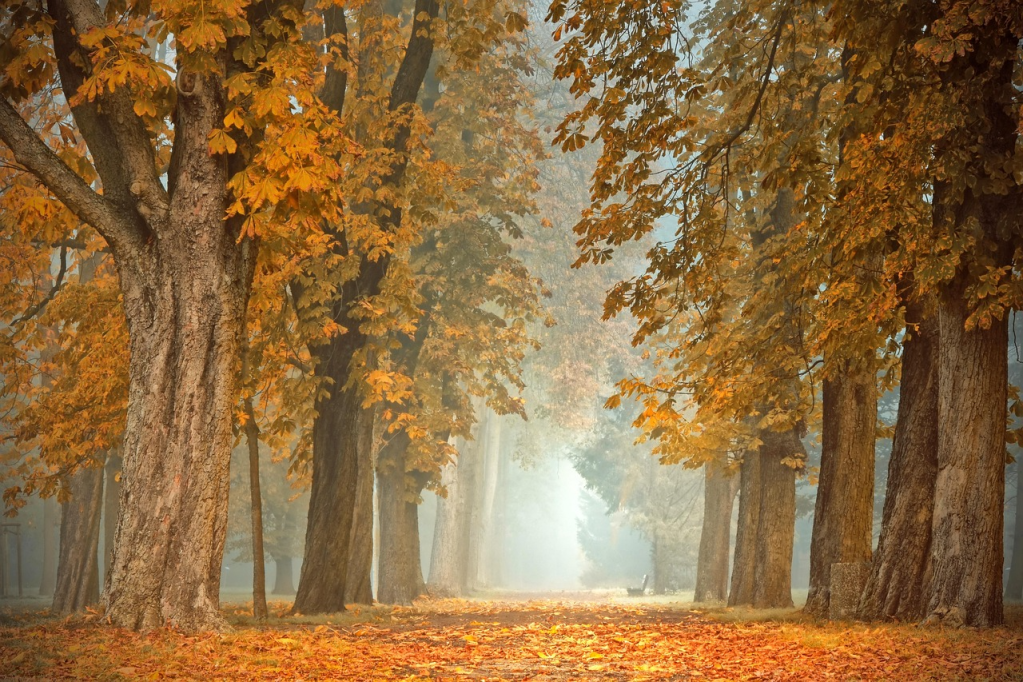
Image from Pixabay
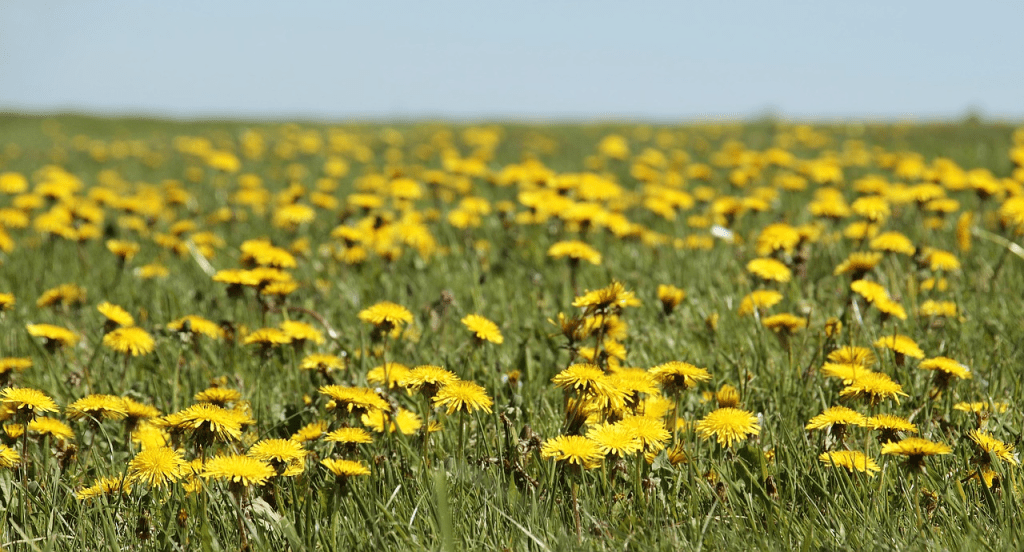
A patchwork of leaves
blankets the soon-cooling earth.
Seeds sleep until spring.
Bonfire burns brightly,
melting marshmallows like snow.
I dance near the flames.
Red and orange leaves
warm the air of autumn days.
Gaia’s ardent gift.
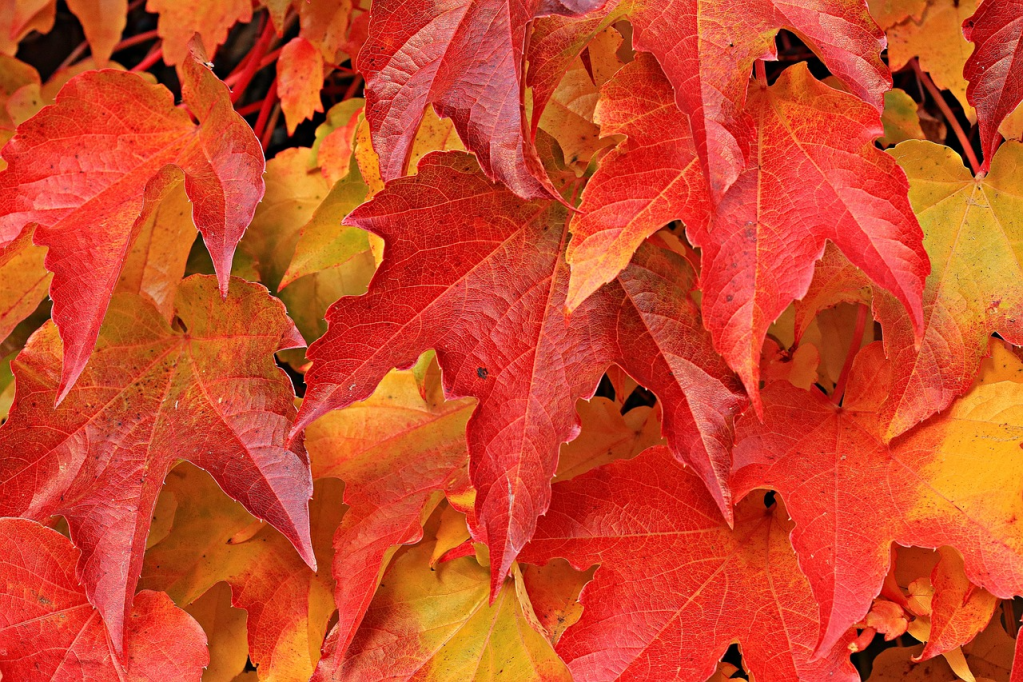
Image from Pixabay
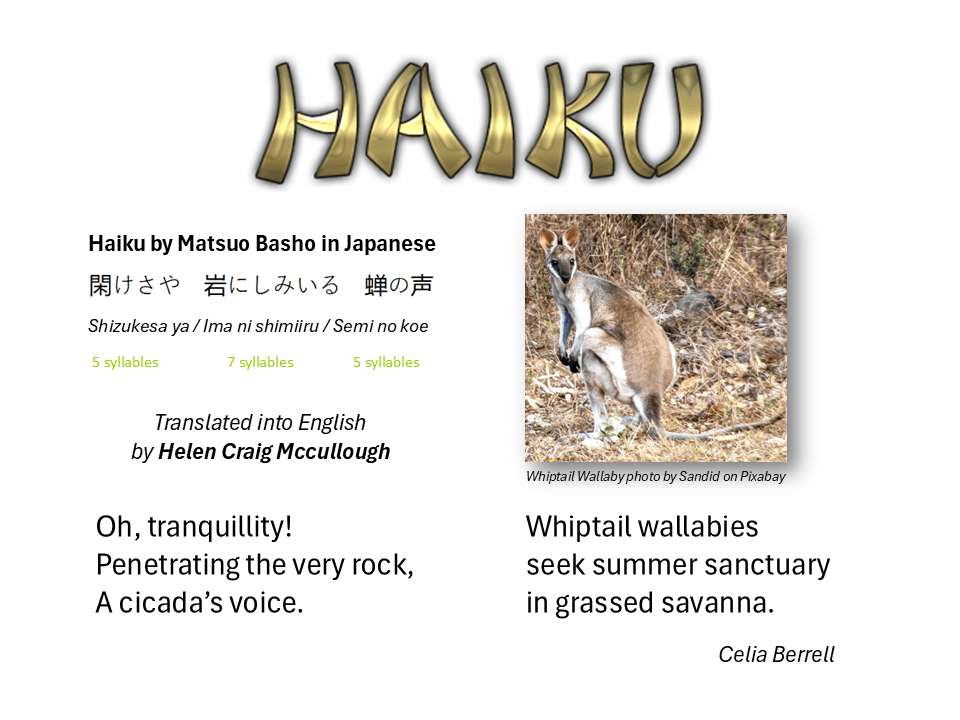
HAIKU
A true Haiku is written in Japanese.
In English, it is created as a three-line poem. The first line has 5 syllables; second 7 syllables and third line has 5 syllables. No need for rhyme. A Haiku ideally captures a moment or essence of something in nature and indicates when that moment occurred (such as a season or time of day).
Your Haiku could be on any topic: a few words delivered thoughtfully.
Gentle look giver
And of soft, knowing back pats
Loving, truth-teller.
Mumsie by Leigh van der Veen

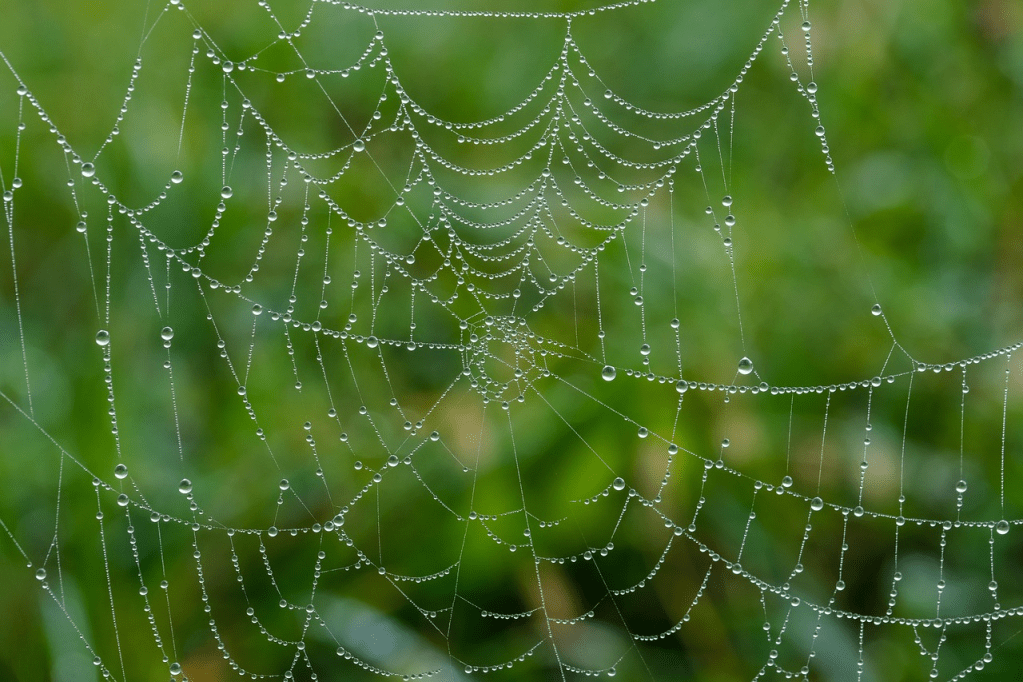
Image from Pixabay
Pinned on rosemary
Cold vermillion sky at dawn
Wreaths placed, hope for peace.
ANZAC Day by Leigh van der Veen
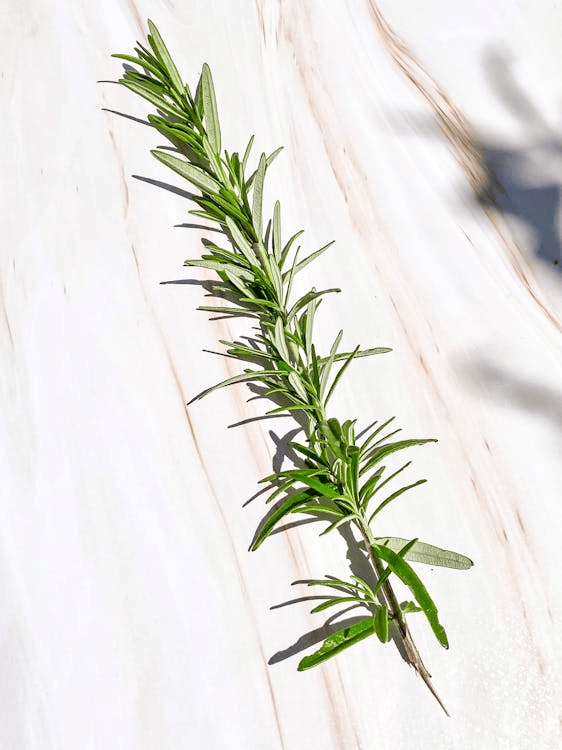
Image from Pexels
Teachers note: Rosemary grows wild on the Gallipoli peninsular. Australians wear rosemary to honour the sacrifice of service personnel.
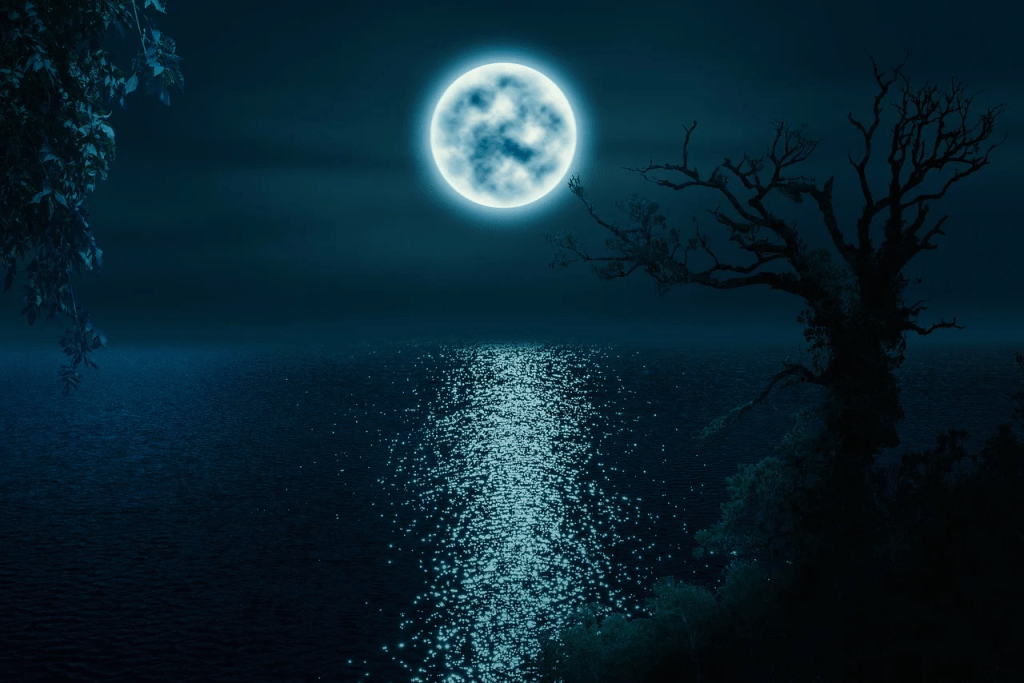
A cold dark abyss
Multiple planets and stars
So much to explore
Space by Madden – Townsville Grammar School, North Shore

Image from Pixabay
 Australian Children’s Poetry