Be a Science Week Poet!

Leave a comment

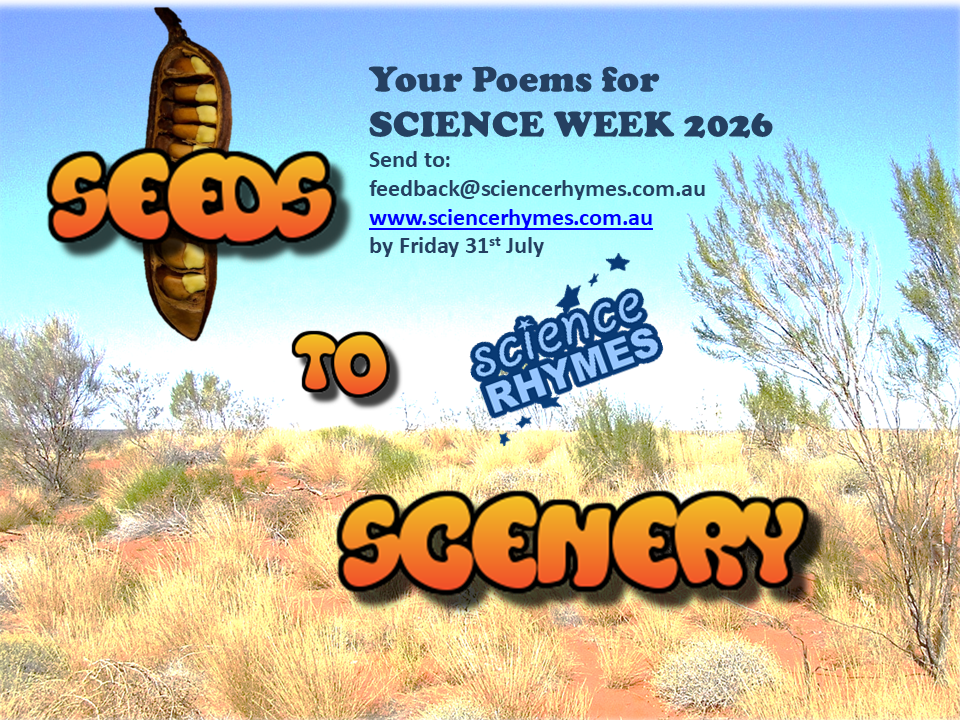
Celia at Science Rhymes is eager to receive your rhyming poems (up to 4 verses) – or Haiku – before the end of July. Adults and children (via an adult email address) are invited to submit their creations to feedback@sciencerhymes.com.au. The resulting FLORA-VERSE online anthology will be celebrating #scienceweek2026.

Our poetry collection is already growing. We’ve received poems about Seed DNA; invasive weeds; endangered wattle; and amazing grass trees. Anything plant-related that includes a touch of science, be it biology, chemistry or other STEM-related perspective, is very welcome.

We are particularly looking forward to publishing poems that feature vegetation found in Australia. From seeds to forests; from flowers to bees, this collection will include your thoughts and discoveries about plants and how they shape environments for a myriad of living things.
The use of AI to help create poems is permitted, but conditions apply. These include acknowledging the AI (such as ChatGPT) with the (human) author’s name; checking AI information for science errors before submitting; and answering 4 simple questions about your experience with using AI for this poem. 1) Were you delighted or disappointed with what AI came up with – give a score out of ten. 2) Did you edit the response? 3) Was your prompt simple or specific? 4) Would you do this again next year?

We still totally appreciate your “human-made” poems for their artistic and literacy values! We trust authors using AI will try to improve the creations they receive through editing and carefully checking facts.

Science Week runs from 15th to 23rd August.
Our deadline for receiving poems is currently Friday 31st July.

Find out more at:
https://www.scienceweek.net.au/event/seeds-to-scenery-poetry/ where you can download the SEEDS TO SCENERY pdf for more details and poem examples. Plus, check out National Science Week Events & Competitions for more activities.

Sturdy Mulga Trees by Celia Berrell

Stretching up towards the skies
or weeping boughs drawn by their sides,
iconic mulga, drab and droll,
still represent Australia’s soul.

In sunburnt soils on arid lands,
with long strong roots, the mulga stands.
High heat; cold nights are mulga’s fate.
In drought these trees can hibernate.

Their rugged bark with groovy tracks
can channel drips down trunks of black.
Instead of leaves, they’ve phyllodes.
Flattened stems that clatter breeze.

Mulga blossoms, tassled gold,
are quick to let sweet-scents unfold.
Flowering not for Spring, but rain.
Should water kiss their harsh terrain.

First published in POINTS OF INTERSECTION SCIENCE AND POETRY (page 35), held in the Scottish Poetry Library.  
Eglantines (Nonet) by Isabelle

Leave a comment

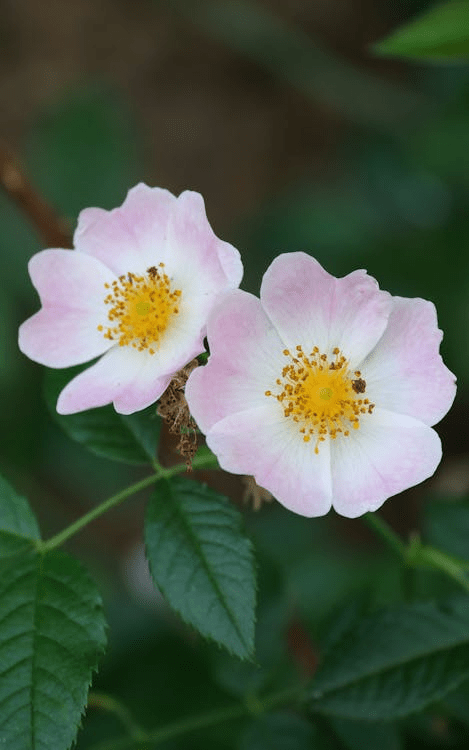
Beautiful pink and yellow flowers,

Swinging through the wind side to side.

Dreamily being so sweet,

Admiring the daylight.

Amazing flowers,

Sweetly gazing

In the field.

Flower,

Sweet.


Eglantines by Isabelle – Townsville Grammar School, North Shore

Image from Pexels

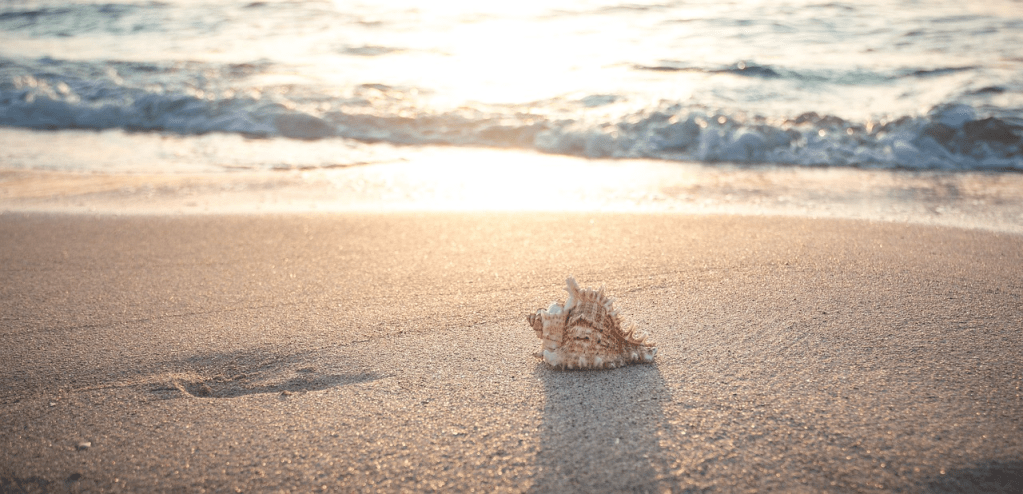
The Beach (Nonet) by Arlo

Leave a comment

We get a lot of sand in our shoes,

Marine creatures might come out too!

A time to chill and relax,

And to pick some nice shells.

A key to nature,

A special place.

The ocean.

Seashells,

Sea.

The Beach by Arlo – Townsville Grammar School, North Shore

Image from Pixabay

The Ocean (Nonet) by Charlee

Leave a comment

We listen to the roar of the waves,

As the creatures underneath hide.

So deep that none can reach them.

I see the whales jumping,

In grace and beauty,

And sharks stay low.

Sparkling waves,

Glisten,

Shine.


The Ocean by Charlee – Townsville Grammar School, North Shore

Image from Pixabay

Enjoy World Ocean Day !!

https://worldoceanday.org/

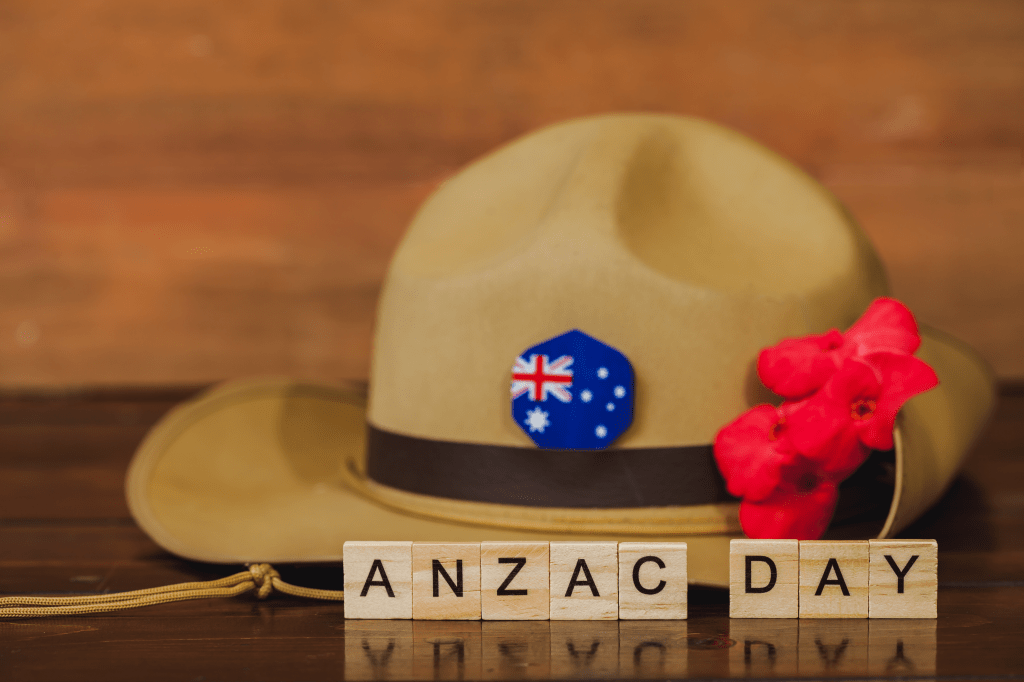
Anzac Day (Nonet) by Cody

1 Comment

As light creeps slowly we remember,

Those who fought and risked lives in war.

Now they rest eternally,

We will remember them.

We thank the fallen.

Lest we forget,

ANZAC Day.

They die,

Fell.

Anzac Day by Cody – Townsville Grammar School, North Shore

Image from Vecteezy

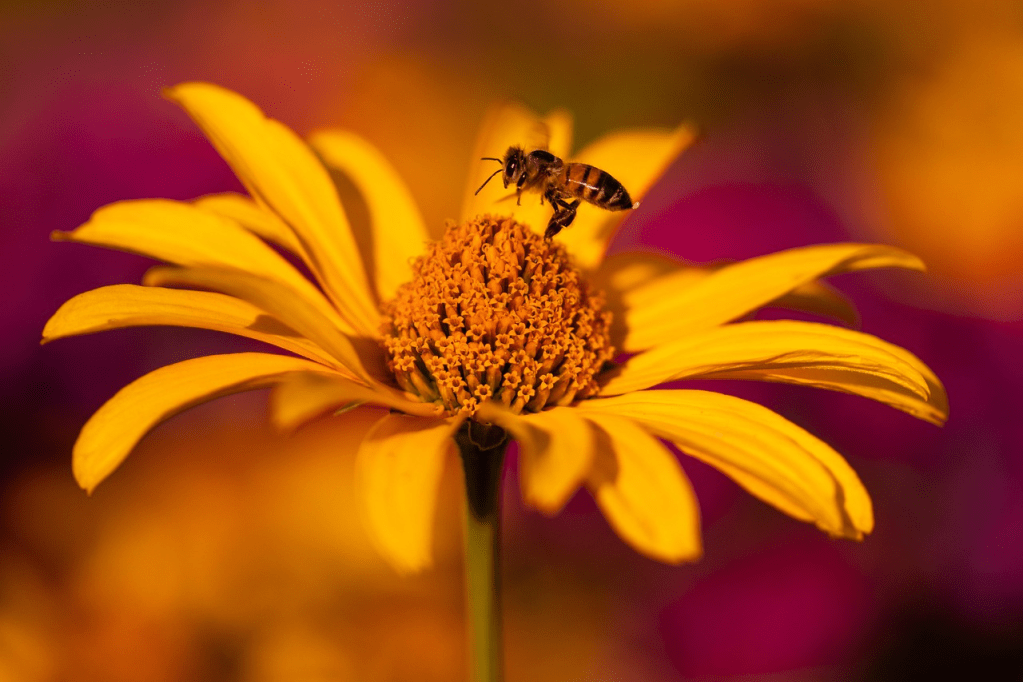
Bees (Nonet) by Isabelle

2 Comments

Little bees flying around the sky,

Pollinating the cute flowers.

Living the beautiful life,

Flying around the woods.

Peacefully buzzing,

Black and yellow.

Very soft

Insects.

Bee!

Bees by Isabelle – Townsville Grammar School, North Shore

Image from Pixabay

Space (Haiku) by Madden

2 Comments

A cold dark abyss
Multiple planets and stars
So much to explore

Space by Madden – Townsville Grammar School, North Shore

Image from Pixabay

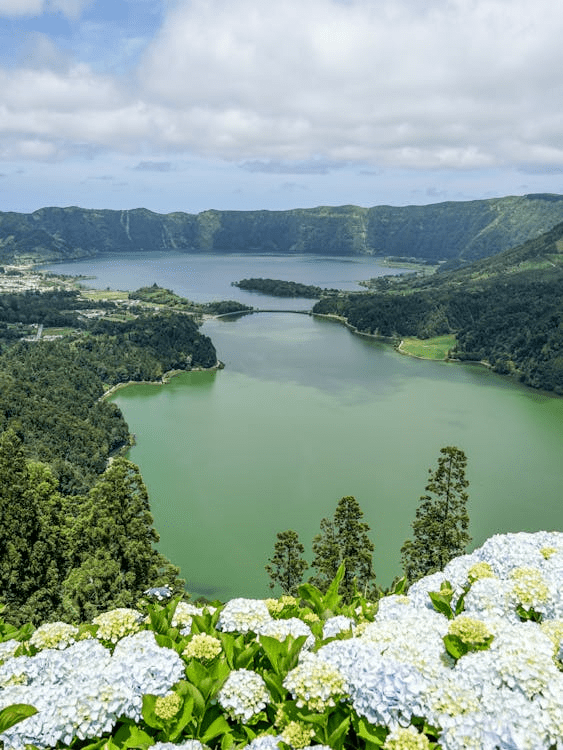
Twin Lakes (Haiku) by Class 4L

1 Comment

A beautiful tale
Hydrangeas and lush forests
Blue and green lakes lie.

Twin Lakes by Class 4L – Townsville Grammar School North Shore

Image from Pexels

Teacher’s note: After reading a folk story about the Twin Lakes in Azores, we composed this poem as a class.

Poetry in the Classroom

Leave a comment

Today’s blog is aimed at teachers of primary and secondary students; it offers ways in which you might like to use this blog site or otherwise employ poetry in your classroom.

  • Research and find poems from poets listed in the A to Z of Australian children’s poetry and then give a class presentation
  • Check out at least one of the poetry website links on the blog site and tell the class what they found
  • Enter poems they have written into children’s competitions listed on the site
  • Write an email – or a letter – to one of the poets listed on the blog site
  • Write a poem and submit it to the site as the Poem of the Day
  • Invite a poet – or a community leader – to visit your school to read and/or recite poems at your school assembly.
  • Ask every child in your class to find a poem they love and create a class poetry anthology
  • Organise a poetry read based on poems collected for the anthology
  • Write a class acrostic poem using the teacher’s surname
  • Talk about free verse and read a verse novel to your class
  • Make a collection of poems displayed on the site (from the A to Z of poets) and from the Poem of the Day
  • Display a Poem of the Day written by a student on the class noticeboard
  • Find and share silly, short poems written by Anonymous
  • For a class assembly item, have the class present poetry connected by a theme (for example: family, food, games)
  • For a fun activity in class, have students talk to one another in rhyming couplets for a limited period
  • Raid home, public and school libraries for poetry collections and anthologies; when it’s time for DEAR, have students read from one of the books
  • After DEAR, each child share a poem they really liked
  • Memorise and recite poems found on the Australian children’s poetry blog site
  • Have class work together to write an article about poetry in their class and submit it to the blog site
  • Have students find children’s poetry websites and blogs not listed on the blog site and submit them as links


Feel free to send in information about how you employ poetry in your classroom if you’re a teacher. Or if you are a student, send in your thoughts, too! Send to dibates@outlook.com

  •  


VIVA LA POETRY REVOLUTION!

Leave a comment

Today I have sent the following email to numerous children’s poets and poetry lovers:

‘Through the new blog site, Australian Children’s Poetry (which now has over 8,500 hits), I am trying to revitalise poetry in Australia, starting with poetry in schools. You might have read https://australianchildrenspoetry.com.au/articles/why-are-booksellers-afraid-of-childrens-poetry/ and the responses from poet Stephen Whiteside and myself, Di Bates.

Here’s a thought: if all of us with a love of and connection to Australian children’s poetry united, we might just put poetry and Australian children, teachers, publishers and booksellers on the same page. United, we can be a powerful force! We can bring poetry into schools and into bookshops. We can exert pressure on organisations such as the CBCA to fund prizes, competitions and/or otherwise promote poetry.

So, what I’m asking you today is for you to consider approaching school/s to offer to present a poetry reading. Have you done this before? Why not now? Then, send an article to me at dibates@outlook.com about your experience and the responses from children and teachers.

Your articles will be posted on the Australian Children’s Poetry blog site and then the CBCA and Australian children’s publishers will be notified that there is the beginning of a groundswell…

Am I being too optimistic? What do you think? Do you want to be part of the Poetry Revolution?’

Subsequent to sending this email, I’ve had an undertaking from our Children’s Laureate Jackie French that she would blog it on her website www.childrenslaureate.org.au and post it in her newsletter. (Thanks, wonderful Jackie!)

Poet and verse novelist Sherryl Clark wrote that she is undertaking a May Gibbs residency in Brisbane in May, part of which is presenting workshops in schools. Initially, when Sherryl suggested poetry workshops, the State Library thought that maybe there wouldn’t be enough interest and that she should offer story writing as well. Sherryl recently received a draft schedule and four of the five schools requested poetry!

You don’t have to be a poet to present a poetry reading! If you are keen to promote poetry in schools, find a half hours’ worth of poems (preferably Australian) that you think children would love to hear recited, and then contact your local school and offer to do a reading.

Become a part of the Australian children’s poetry revolution!