Choose a word and find out where it came from and what it means. Some words have changed their meaning; some have added new meanings as time has passed. Can you explain this word and its journey of uses and meanings in a poem?
Holding the whole world in our hands, hiding it from those thieves and thugs, with hopeful hearts and heavenly help, we’re giving the Earth a happy hug!
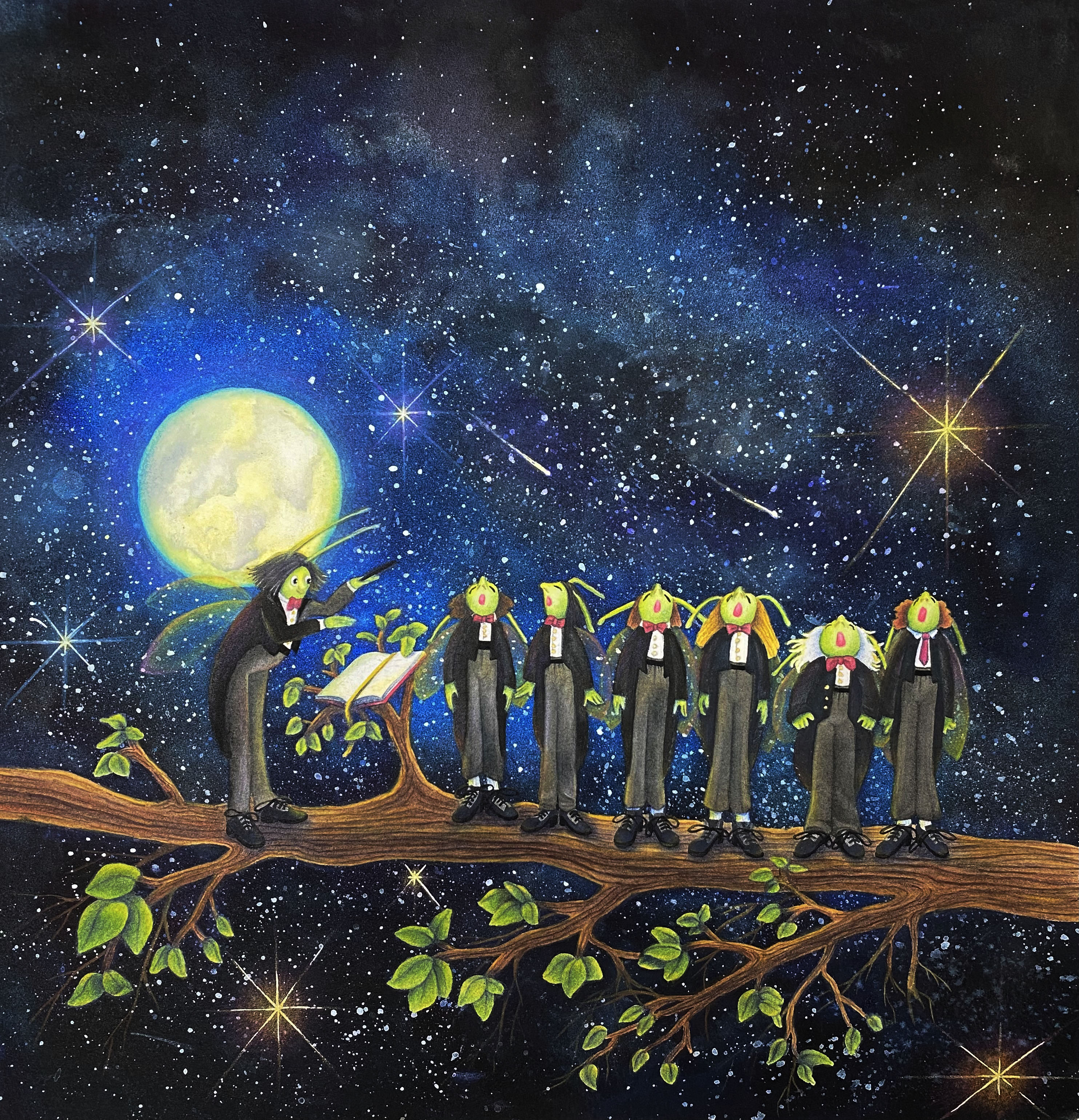
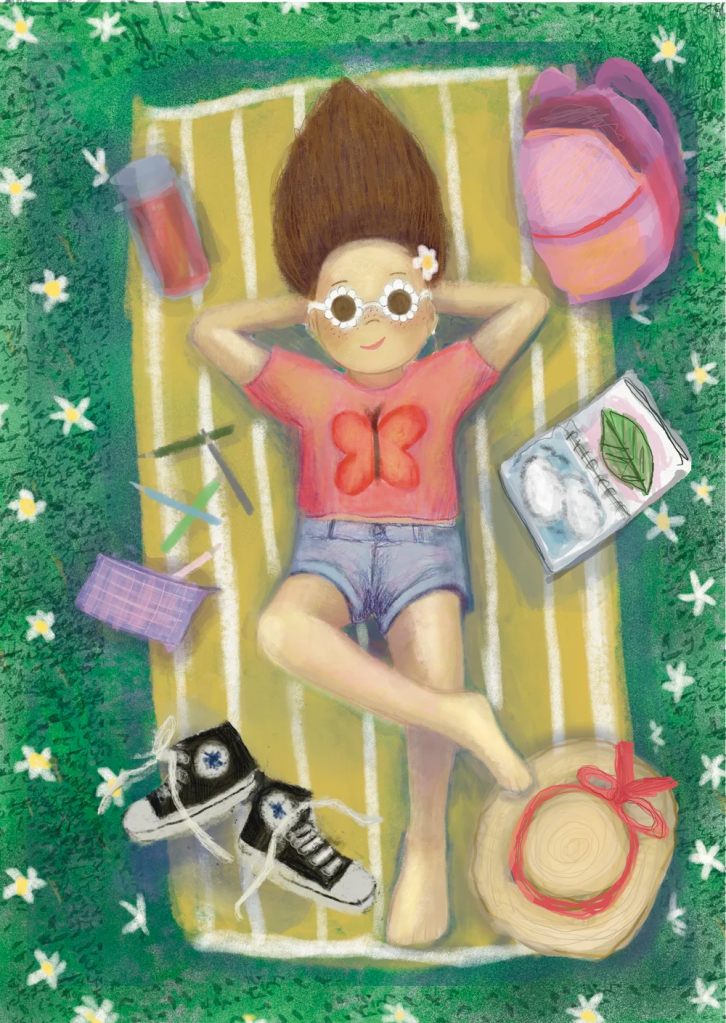
Poem inspired by June 2026 picture prompt from artwork by Melissa Varoy
Celia at Science Rhymes is eager to receive your rhyming poems (up to 4 verses) – or Haiku – before the end of July. Adults and children (via an adult email address) are invited to submit their creations to feedback@sciencerhymes.com.au. The resulting FLORA-VERSE online anthology will be celebrating #scienceweek2026.
Our poetry collection is already growing. We’ve received poems about Seed DNA; invasive weeds; endangered wattle; and amazing grass trees. Anything plant-related that includes a touch of science, be it biology, chemistry or other STEM-related perspective, is very welcome.
We are particularly looking forward to publishing poems that feature vegetation found in Australia. From seeds to forests; from flowers to bees, this collection will include your thoughts and discoveries about plants and how they shape environments for a myriad of living things.
The use of AI to help create poems is permitted, but conditions apply. These include acknowledging the AI (such as ChatGPT) with the (human) author’s name; checking AI information for science errors before submitting; and answering 4 simple questions about your experience with using AI for this poem. 1) Were you delighted or disappointed with what AI came up with – give a score out of ten. 2) Did you edit the response? 3) Was your prompt simple or specific? 4) Would you do this again next year?
We still totally appreciate your “human-made” poems for their artistic and literacy values! We trust authors using AI will try to improve the creations they receive through editing and carefully checking facts.
Science Week runs from 15th to 23rd August. Our deadline for receiving poems is currently Friday 31st July.
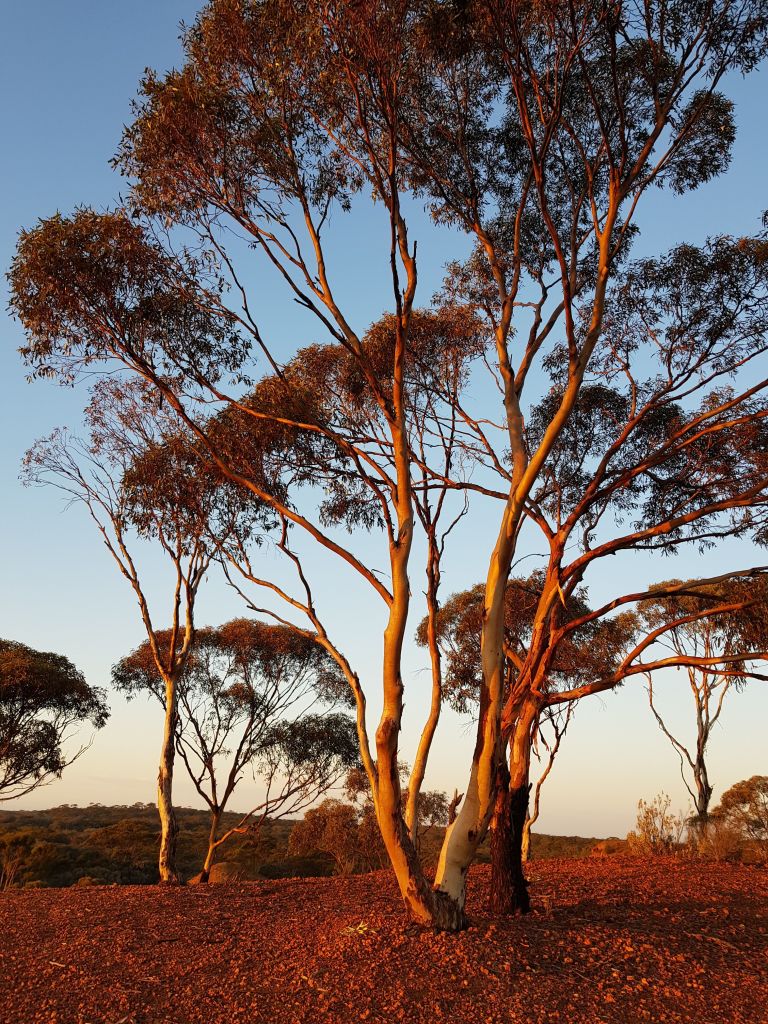
Stretching up towards the skies or weeping boughs drawn by their sides, iconic mulga, drab and droll, still represent Australia’s soul.
In sunburnt soils on arid lands, with long strong roots, the mulga stands. High heat; cold nights are mulga’s fate. In drought these trees can hibernate.
Their rugged bark with groovy tracks can channel drips down trunks of black. Instead of leaves, they’ve phyllodes. Flattened stems that clatter breeze.
Mulga blossoms, tassled gold, are quick to let sweet-scents unfold. Flowering not for Spring, but rain. Should water kiss their harsh terrain.
HAIKU A true Haiku is written in Japanese. In English, it is created as a three-line poem. The first line has 5 syllables; second 7 syllables and third line has 5 syllables. No need for rhyme. A Haiku ideally captures a moment or essence of something in nature and indicates when that moment occurred (such as a season or time of day).
Your Haiku could be on any topic: a few words delivered thoughtfully.
Why do kangaroos cross the road? To get to the other side! But ’roos don’t know their highway code and some of them have died.
When travelling through Aussie bush, best keep your eyes peeled wide. Watch for signs and please don’t rush – especially ’round dawn and dusk – as that’s the time when ’roos might hide along a lonely roadside.
Roo Road Rulesby Celia Berrell
Artwork: THONGS CROCS AND FLIPFLOPS by Ella Rousseau
Like ballerinas on blue ice those skaters glide and pirouette in perfect dance and balance – yet to know skate’s science would be nice. Don’t blunder with confusions such as “ice melts under pressure”. We’ve found a better measure which explains why skaters slide so much. From nought to minus two-hundred (°C) a Quasi-Liquid Layer is found on any water-ice around. The thinnest, smoothest, slippery-spread! Friction makes our fingers grip. We’ll hold a biscuit with control while ice-cubes fumble, flip and fall because of crazy quasi-slip.