There are plenty of free events currently happening forSCIENCE WEEK, and combining SCIENCE with POETRY is one of them! H2O by Andrea Lew is one of the Science Rhymes featured in OUR FLORA-VERSE as part of these celebrations.
Did you know that H2O is the chemical symbol for water?
Hydrogen, Hydrogen Oxygen. Drink several glasses every day to keep the doctor away.
Did you know that H2O is good for health and hydration? It regulates body temperature and is part of respiration.
Did you know that H2O exists as liquid, solid and gas? On Earth we have all three. Elsewhere it’s mostly found as ice.
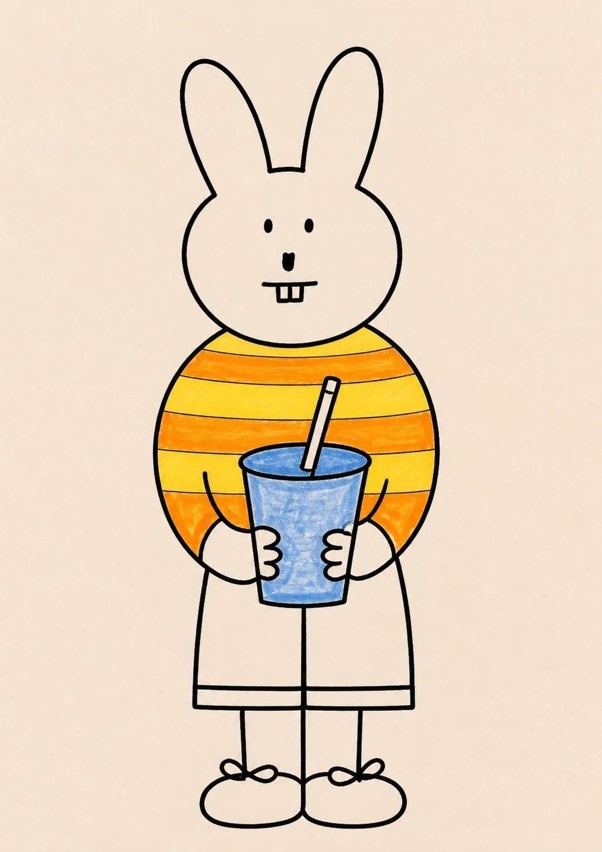
Vital for health and hydration, this refreshing liquid drink, for humans, plants and animals deserves our celebration!
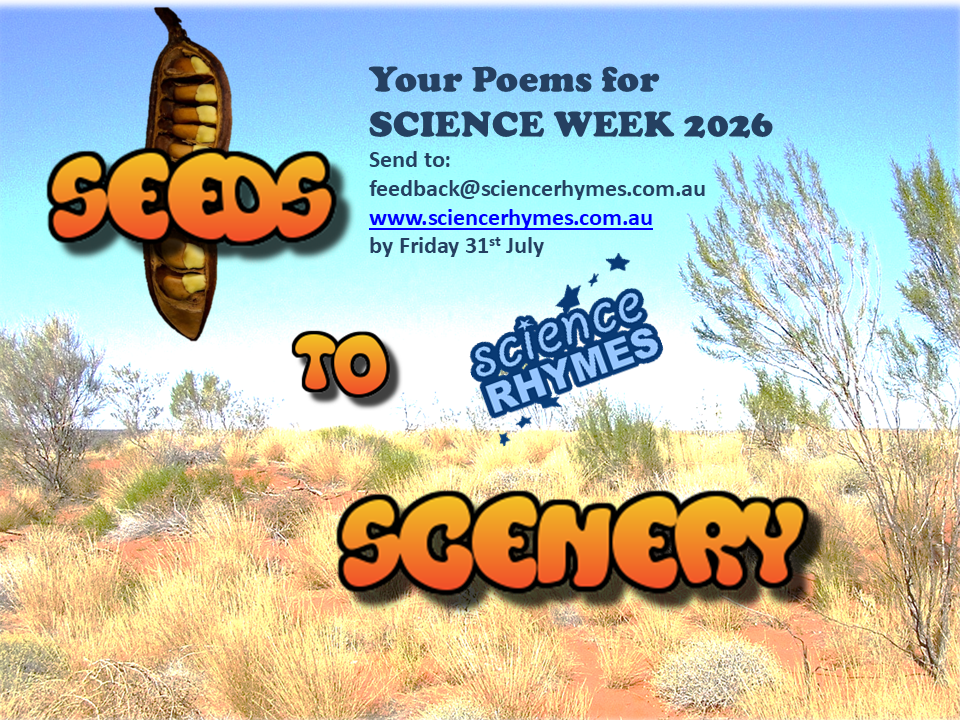
Celia at Science Rhymes is eager to receive your rhyming poems (up to 4 verses) – or Haiku – before the end of July. Adults and children (via an adult email address) are invited to submit their creations to feedback@sciencerhymes.com.au. The resulting FLORA-VERSE online anthology will be celebrating #scienceweek2026.
Our poetry collection is already growing. We’ve received poems about Seed DNA; invasive weeds; endangered wattle; and amazing grass trees. Anything plant-related that includes a touch of science, be it biology, chemistry or other STEM-related perspective, is very welcome.
We are particularly looking forward to publishing poems that feature vegetation found in Australia. From seeds to forests; from flowers to bees, this collection will include your thoughts and discoveries about plants and how they shape environments for a myriad of living things.
The use of AI to help create poems is permitted, but conditions apply. These include acknowledging the AI (such as ChatGPT) with the (human) author’s name; checking AI information for science errors before submitting; and answering 4 simple questions about your experience with using AI for this poem. 1) Were you delighted or disappointed with what AI came up with – give a score out of ten. 2) Did you edit the response? 3) Was your prompt simple or specific? 4) Would you do this again next year?
We still totally appreciate your “human-made” poems for their artistic and literacy values! We trust authors using AI will try to improve the creations they receive through editing and carefully checking facts.
Science Week runs from 15th to 23rd August. Our deadline for receiving poems is currently Friday 31st July.
Stretching up towards the skies or weeping boughs drawn by their sides, iconic mulga, drab and droll, still represent Australia’s soul.
In sunburnt soils on arid lands, with long strong roots, the mulga stands. High heat; cold nights are mulga’s fate. In drought these trees can hibernate.
Their rugged bark with groovy tracks can channel drips down trunks of black. Instead of leaves, they’ve phyllodes. Flattened stems that clatter breeze.
Mulga blossoms, tassled gold, are quick to let sweet-scents unfold. Flowering not for Spring, but rain. Should water kiss their harsh terrain.
First, un-pleat some solar cells and wag that space antenna tail to give our telescope some power for data-sending mail. Open sides, like two long arms, then stretch-out layers of silver veils to make a heat-shield from the Sun. Too hot, our Webb could fail. Next, erect the smaller mirror then a radiator, before reflective parts hinge wide. That giant mirror’s locked, both sides, to make a golden-petal flower with infra-red its viewing power, to be an ancient star-locator. Deepest history translator!