Teacher’s note: Kata Tjuta, which means “many heads” in the local Aboriginal language, is located 25 km from Uluru. Like Uluru, it is considered sacred to the Aboriginal people of Australia, and the mythology of the site is not disclosed to outsiders. The highest peak (at left) was named Mount Olga by explorer Ernest Giles in 1872.
Teacher’s note: PFAS (pronounced P-Fass) are known as Forever Chemicals — a large family of 10,000 chemicals that have been proved to persistently contaminate the earth. They are used in fire-fighting foam, food packaging, foundation cream, cosmetics, non-stick cookware, smartphones and waterproofing clothing. They contaminate drinking water, wildlife, and agriculture.
Teacher’s note: Wales was once famous for its polluting coal mines. Today we celebrate great Welsh singers such as Dame Shirley Bassey, Charlotte Church, Katherine Jenkins, Bonnie Tyler (Gaynor Sullivan), Sir Tom Jones and Sir Bryn Terfel, actor Richard Burton and poet Dylan Thomas. The word “Eisteddfod” — a musical competition— is taken from the Welsh language which is still spoken.
Teacher’s note: This poem could invite a class discussion about why people love their boats and rivers. What dreams do students have about a “dream” escape?
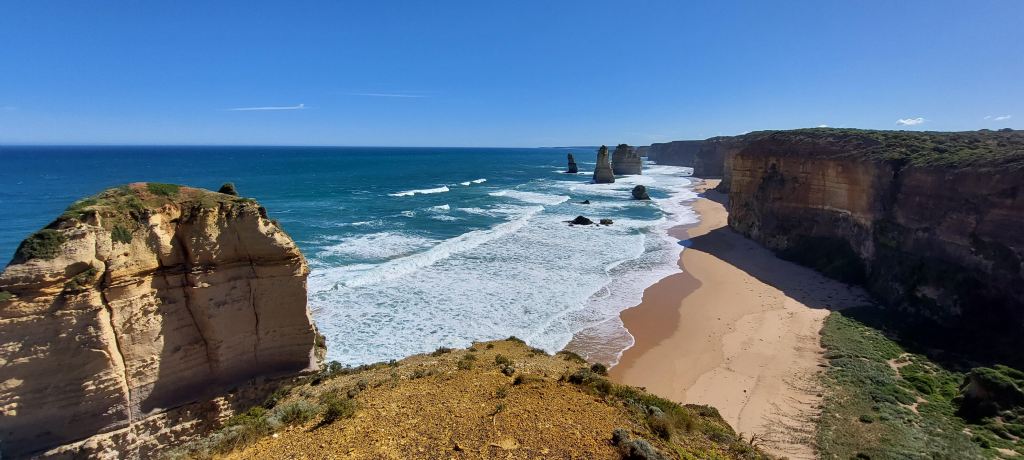
Teacher’s note: The Twelve Apostles are limestone stacks off the shore near Port Campbell, Victoria. The harsh waves from the Southern Ocean slowly erode the soft limestone in the cliffs to form caves, which later become arches that eventually collapse leaving up to fifty-metre high stacks.




 Australian Children’s Poetry