Lush new growth explodes
Flowers in abundance show
A bird’s wings flutter
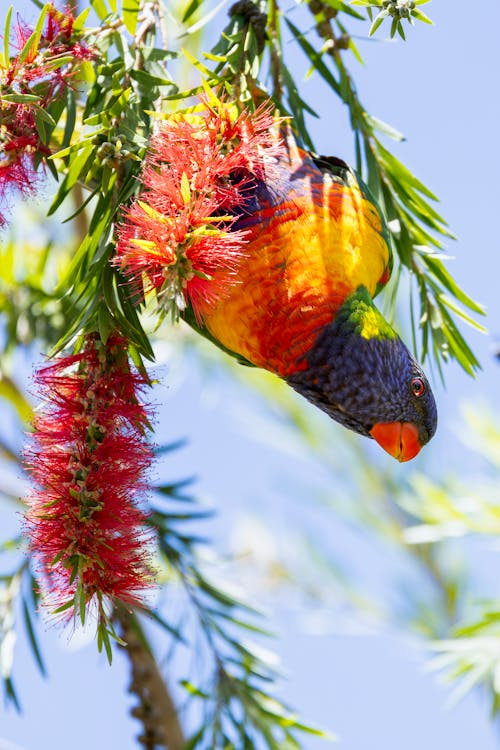
Image from Pexels
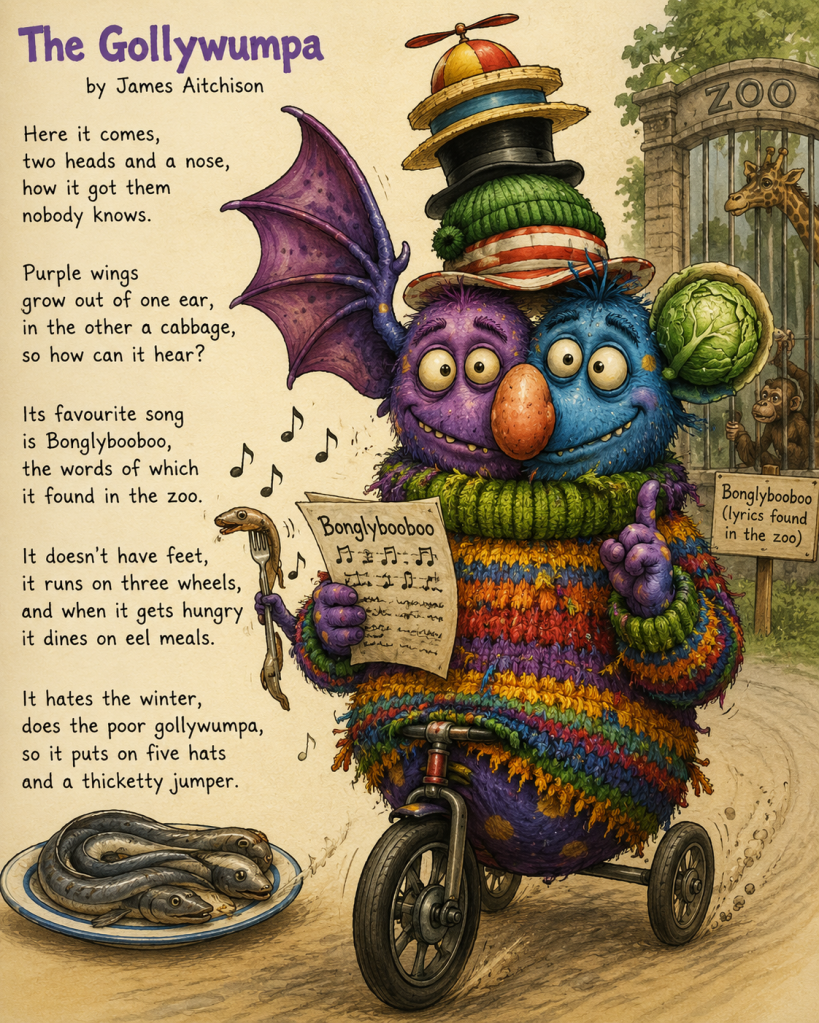
Image created by ChatGPT on reading The Gollywumpa poem
Nonsense with nonce
Introduction: Nonce words are nonsense words created for a specific situation, often in children’s poetry. In Lewis Carroll’s poem Jabberwocky, he invented the nonce words chortle and galumph, which are now in current use as part of the language. Perhaps the most famous nonce word — runcible — was created by Edward Lear for his poem The Owl and the Pussycat. There is no such thing as a runcible spoon. Lear loved the word so much he wrote about runcible hats, runcible cats and a runcible wall.
Invite students to invent their own nonce words and use them in poems or stories. They could also draw what they think their Gollywumpa looks like.
The Gollywumpa by James Aitchison
Here it comes,
two heads and a nose,
how it got them
nobody knows.
Purple wings
grow out of one ear,
in the other a cabbage,
so how can it hear?
Its favourite song
is Bonglybooboo,
the words of which
it found in the zoo.
It doesn’t have feet,
it runs on three wheels,
and when it gets hungry
it dines on eel meals.
It hates the winter,
does the poor gollywumpa,
so it puts on five hats
and a thicketty jumper.
Beautiful pink and yellow flowers,
Swinging through the wind side to side.
Dreamily being so sweet,
Admiring the daylight.
Amazing flowers,
Sweetly gazing
In the field.
Flower,
Sweet.
Eglantines by Isabelle – Townsville Grammar School, North Shore
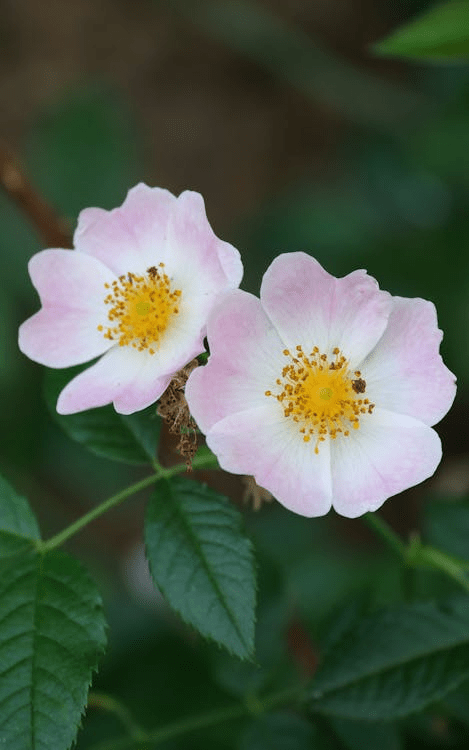
Image from Pexels
We get a lot of sand in our shoes,
Marine creatures might come out too!
A time to chill and relax,
And to pick some nice shells.
A key to nature,
A special place.
The ocean.
Seashells,
Sea.
The Beach by Arlo – Townsville Grammar School, North Shore
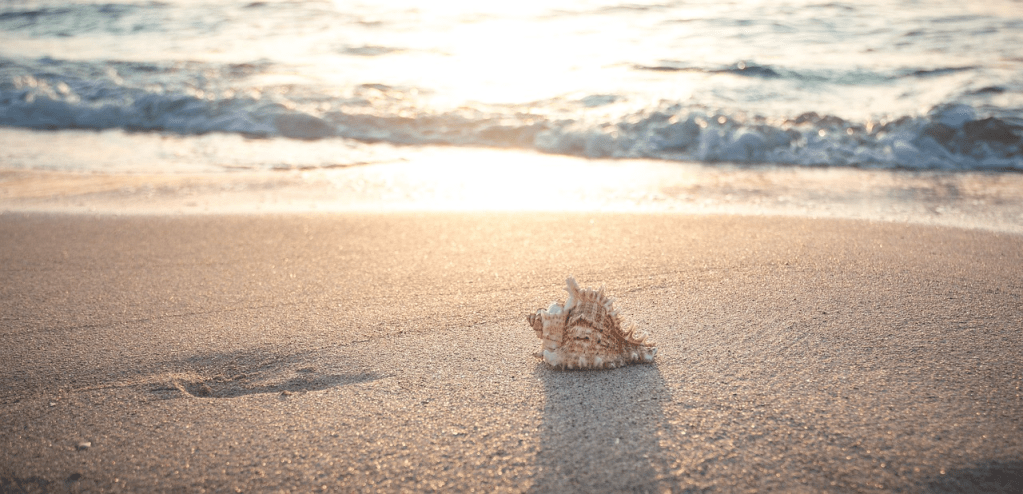
Image from Pixabay
We listen to the roar of the waves,
As the creatures underneath hide.
So deep that none can reach them.
I see the whales jumping,
In grace and beauty,
And sharks stay low.
Sparkling waves,
Glisten,
Shine.
The Ocean by Charlee – Townsville Grammar School, North Shore
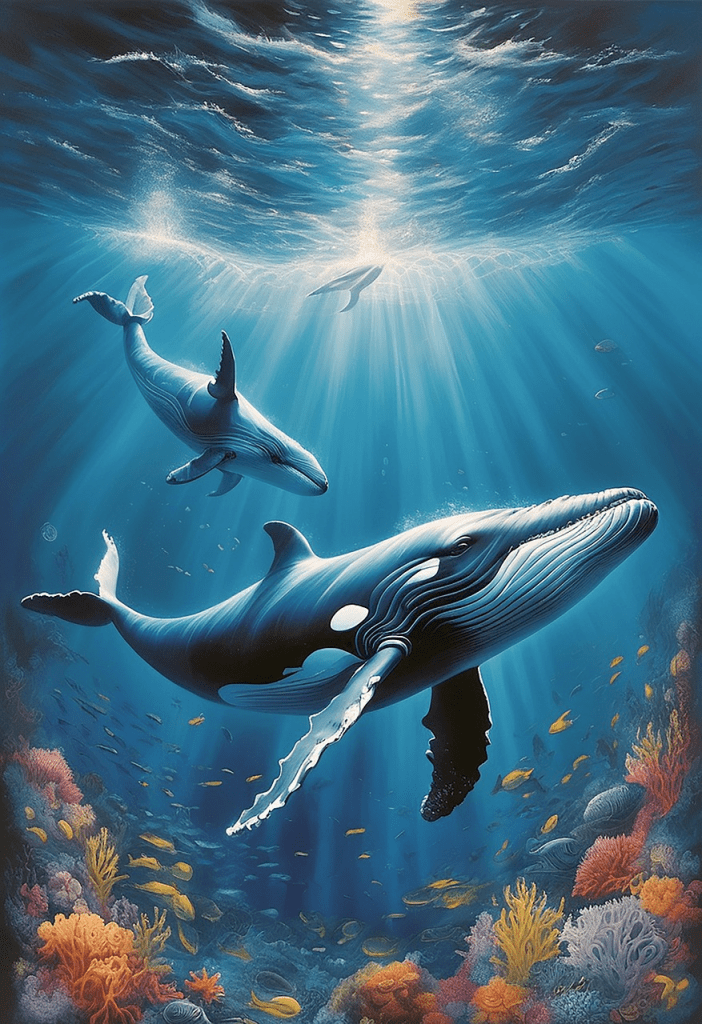
Image from Pixabay
Enjoy World Ocean Day !!
Underneath the Ficus
Lives Mr Wiggle worm
In the rich moist soil
He can wiggle and squirm.
Wiggle worm
Looked around
It was cool and cozy
Underground.
There was much
Work to do
Churning earth
To let air through.
Enriching soil
Whilst breaking down
Organic matter
In the ground.
Mixing nutrients
On his way
Enriching earth
With leaf decay.
Wiggle worm
Doesn’t have eyes
Can sense light and dark
With cells specialized.
He doesn’t have lungs
He doesn’t have legs
He doesn’t have teeth
But he can produce eggs.
Wiggle worm
Is long and thin
Needs to be moist
To breath through his skin.
He has five hearts
He has no ears
Birds, moles and beetles
Are amongst his fears.
Up to ten years
His lifespan can be
If he is housed
In captivity.
But in the wild
I’m sorry to say
It can be reduced
If he becomes prey.
Harsh weather can also
Effect his lifespan
If soil gets too cold
Which it often can.
Wiggle worm’s poop
Is like liquid gold
Full of nitrogen
Often mixed and sold.
He’s a natural recycler
And works very hard
Maintaining ecosystems
In his backyard.
Mr Wiggle Worm
Lives under my Ficus tree
He hides from all above
Trying to live and be free.
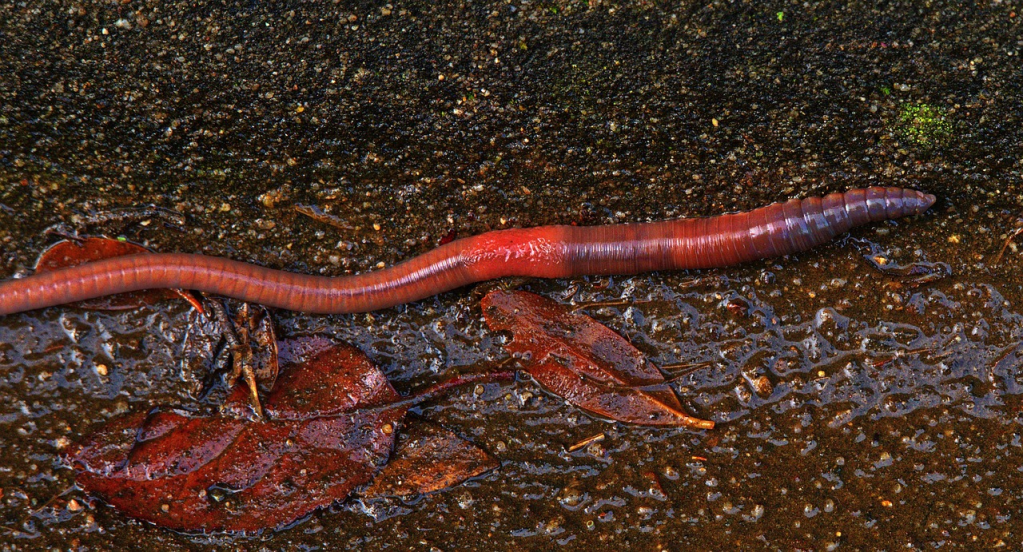
Image from Pixabay
Happy World Environment Day !!
There once was a camel
Out in the desert,
Who craved something sweet
To eat for dessert.
But search as he may,
He found no traces
Of any date trees
Or any oases.
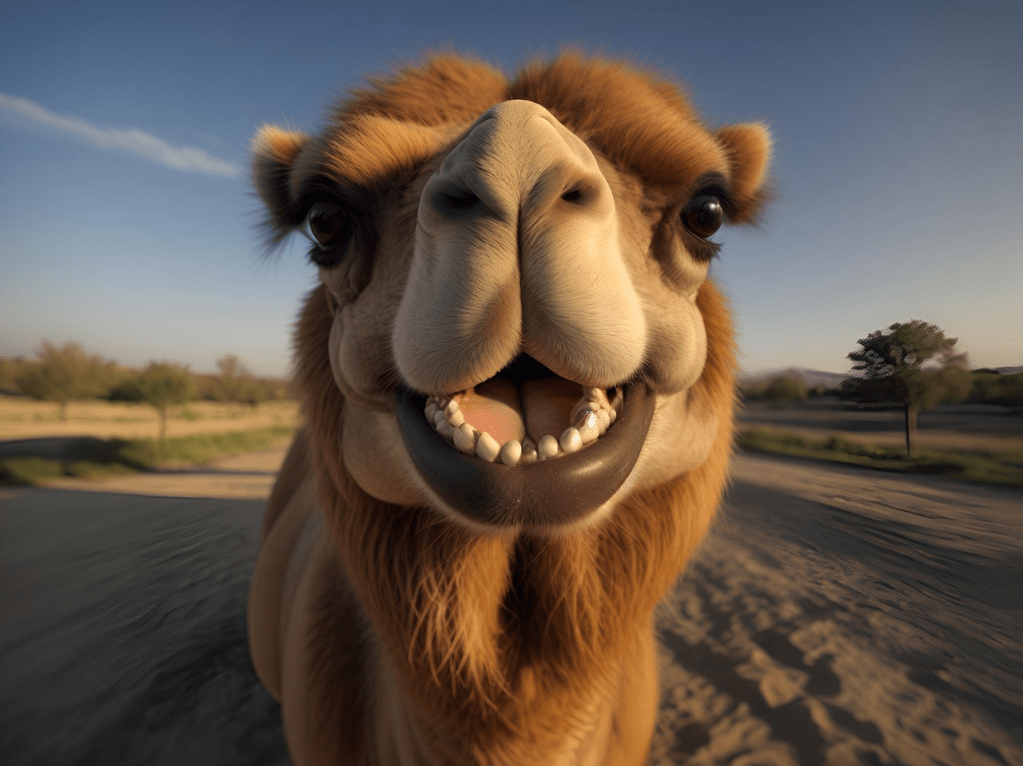
Image from Pixabay
Teachers’ note: This poem offers a fun opportunity to discuss the differences
between desert/dessert, and the plural of oasis/oases.
The winter chill is here
I feel it on my ears
My hands like ice
Soft wool feels nice
My fleecy jacket keeps me toasty
My cheeks are growing rosy
I look like a pink teddy bear
I feel warm so I don’t care
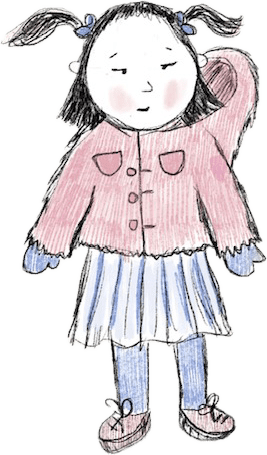
Image created by Gemma Creegan

 Australian Children’s Poetry