“Bush Childhood” by J. R. Poulter

Leave a comment

“The Wedge-tailed Eagle” by Toni Newell

Leave a comment


The Wedge-tailed Eagle (Aquila audax) is the largest bird of prey in Australia and can be found throughout the country.

Its length is between 81-106 cm with a wing span of up to 232 cm. with a lifespan of up to 40 years,

It has an unmistakable wedge-shaped tail with feathered legs and in maturity has have a dark blackish brown plumage.

It is a carnivore and its diet consists of carrions, rabbits, hares but can also include foxes, feral cats, small kangaroos, possums wombats etc.


The Wedge-tailed Eagle


Graceful wings sore through the sky,

Majestically they fly on high,

Gliding, then they flap again,

Over paddocks of green terrain.

Drifting as they look for prey,

On this warm and sunny day.

Movement spotted on the ground,

Rabbits hopping all around.

The eagle swoops, its talons out,

Plucks a rabbit as it hops about.

Flies back home with all its might,

To enjoy supper that very night.


“The Phalarope” by Marque Dobrow

Leave a comment

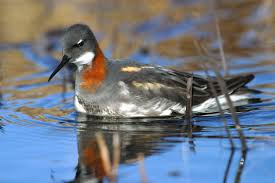
The phalarope is a small shorebird which belongs to the sandpiper family. They are known for their distinctive nesting behaviour, and their unique feeding technique. The males and females do not fulfil typical gender roles.


The Phalarope


Have you heard of the phalarope bird?

Now I give you my word ~ its name isn’t absurd.

In terms of physique it couldn’t be slimmer

Which helps to make it an excellent swimmer.

Their feathers are most often black, red and white,

Then they’re grey in the winter: what a wondrous sight.


Within the Arctic region they breed

Where you’d think it too cold to perform such a deed.

In the Northern Hemisphere they lay eggs, then later

Spend their winters the other side of the equator.


Female phalaropes will court with their mate

Who in turn builds a nest so he may incubate.

The she-bird is larger in size than her fella,

So if she gained weight, I doubt he would tell her.

But here’s a grand fact that I think is worth hearing:

It’s the male who does the young phalarope-rearing.


And so, as these verses are nearing their end

Please consider the phalarope your friend.

If ever you see one from the ground down below

Keep your eyes gazing skyward and call out “hello”.
 

“The Sound of the Dodo Bird” By Louise McCarthy

Leave a comment


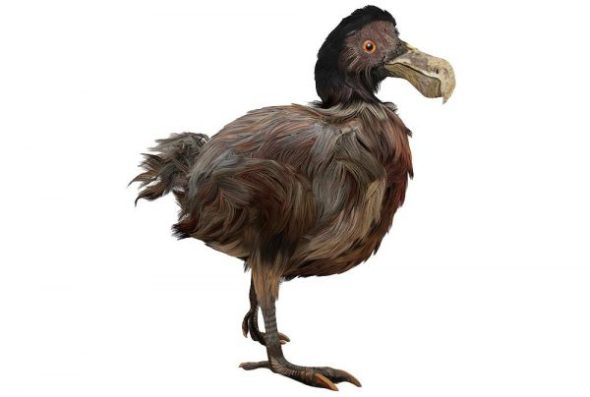
The dodo bird was last sited in the mid 1600’s. It did not fly and lived fearless, wandering

In woodlands around the coast of Mauritius. The nicobar pigeon is its closest existing relative. Fruit is thought to have been part of the dodo bird’s diet. Interestingly the digestion of the bird was aided by the use of a gizzard stone. It existed carefree until becoming prey to invasive species and sailors.


From the Nicobar Islands, the Nicobar Pigeon,

Decided to travel – its one great ambition.


The trip was well planned – by no means capricious,

It would meet cousin dodo on the coast of Mauritius.


But the pigeon from Nicobar was not up to date,

About the extinction – the Dodo Birds fate.


Woo-woooo, woo-woo-woe,

Woe-woe, where-where-why,

What-what, what-what, happened,

Where are you dear dodo?


And the Dodo bird made no sound…


“Billy Jo” by Toni Newell

Leave a comment

My little puppy ‘Billy Joe’,

Had a short nose,

As the weeks went by,

A question arose,

“Was it getting bigger,

As mischief was done,

Did it grow accordingly,

Reflecting all his fun?”

Food stolen from the table,

Accidents inside,

“Was he like Pinocchio,

Whose nose grew when he lied?”

He always looked so innocent,

But I knew it could not be,

The evidence was there,

Right in front of me.

In time his nose grew longer,

More damage I could see,

And then it slowly stopped,

I was happy as can be.

Billy’s nose stopped growing,

The older he became,

He was less destructive,

For it was his age that was to blame.

“At the Playground” by Katherine Gallagher

Leave a comment


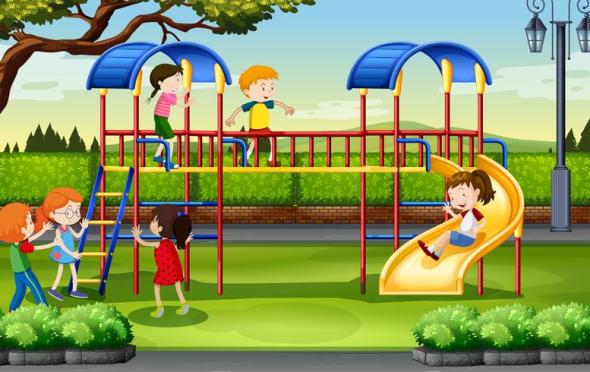
At the Playground

(for Julien)


The March wind whisks against us:

my son, three, starts the roundabout

refuses to get on himself. Today

he has planned ahead, says it’s his turn

to push me, watches me on board

and I’m away. I enjoy being passenger,

store all this for later –

the afternoon’s lulled moves,

everywhere the air heady

and he in the foreground

racing his years, reminding me

to take care, hang on.


The ground spins, blurs; he begs it

with each command, checks

I’m not going too fast.

‘You can’t fall off,’ he says

smiling, assured.


I know it, this steady pace

contains us both, days overlap: he will perhaps

never love me more than now.


© Katherine Gallagher

“School” with Teacher Notes by J. R. Poulter

Leave a comment

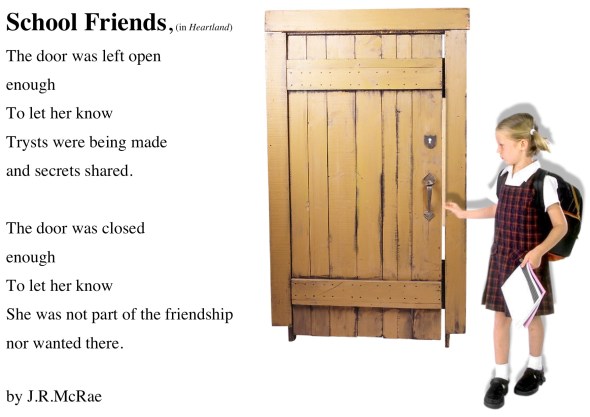
Topics: friendship, peer group, clique, pettiness, bitchiness, ‘in’ group,

English: An innate object, ‘the door’ is used to express inclusion and exclusion, hands express a similar sense of isolation in “Novice” – compare.

Activity: Think of other innate/animate items that could be used to describe similar sentiments.

Study of society: Humans are tribal by nature – being part of an ‘I group’ or not defines who we are for most. It is a brave person who can stand aside from the group and be there own person regardless!

Activity: Think of people throughout history who have been truly ‘individual’.

“Face off on the pirate ship” by Penny Szentkuti

Leave a comment

Face off on the pirate ship


One sturdy yellow captain’s wheel.

Two captains, toe to toe.

Legs braced, shoulders set,

No one’s letting go.


“I’m the captain of this ship.”

Hands pull to and fro.

“You can use the telescope.”

“No! No! No!”


Two fierce captains holding fast,

Leaders of the pack.

“Hattie! Ella! Come down now!

It’s time to have a snack!”

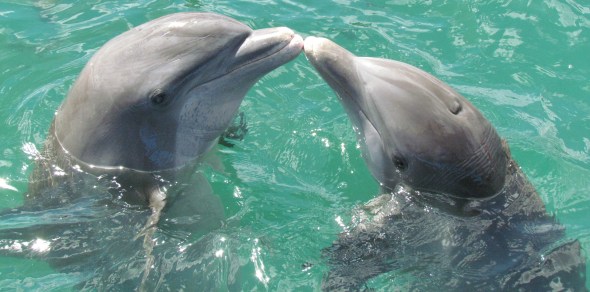
“Do Dolphins Kiss?”  by Celia Berrell

Leave a comment

Do Dolphins Kiss?


The dolphins swimming in the sea

make clicks and squeaks quite frequently.

These sounds move fast through liquid’s layer

compared to noises in the air.


Their clicks and chirps we can’t translate

but that’s how they communicate.

Not all their whistles we can hear.

They’re pitched too high for human ears.


They also sent out sounds to mark

locations of the sharks at dark

by bouncing echoes in the black

and timing when they’re getting back.


Since dolphins have to hold their breath

when swimming in the ocean’s depth

their voices aren’t from air that flows.

Instead they’ve lips inside their nose!


Their happy squeaks and chatty clicks,

those chirpy whistles, pops and hiss

like sounds of children’s playground bliss

are made from just a dolphin’s kiss.

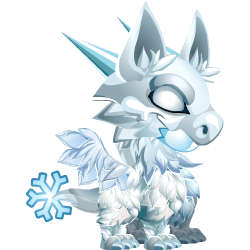
“Dragon Breath” by Dannielle Viera

Leave a comment

When icy nights spawn chilly morns
and frost festoons the ground,
I let my inner dragon out
to have a stomp around.

The crunch of grass beneath my feet
draws roars of wild delight.
But rather than a fiery blast,
my breath just comes out white.

Numb puffs of steam swirl to the sky
with every shout and snort.
This winter air does not play fair-
it snuffs a dragon’s sport.