“Winter” by Louise McCarthy

Leave a comment

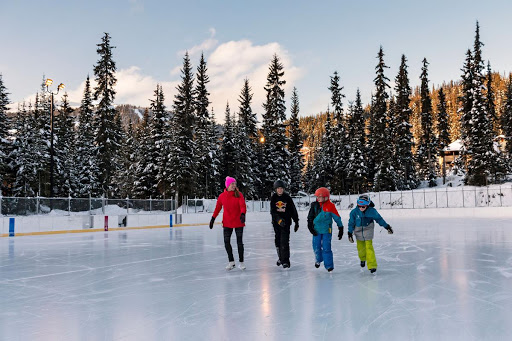
Winter


Whirling, waltzing, spinning, 

Ice-skates grating frozen lakes,

Northern hemisphere wintery fun,

Twirling, gliding, pirouetting,

Elegantly dancing then –  

Roasted chestnuts and hot chocolate.

“Splat” by Jenny Erlanger

2 Comments

Splat!


I madly shoo it with my hands.

It still won’t go away.

I’m not sure that it understands

the price it has to pay.


Intent upon its futile quest,

it zooms towards my face.

I’m tired of this invasive pest

inhabiting my space.


It’s had its chance to leave in peace,

but now it’s open war.

This constant bombing has to cease,

I can’t take any more.


It homes in on my slice of meat,

secures a landing spot.

It thinks it’s in for such a treat…

I squash it with the swat!

“Birdsong sounds” by Celia Berrell

2 Comments

Birdsong sounds


We can:

cackle like a Kookaburra,

hoot like an owl,

coo like a dove

or cluck like a fowl.

But some bird sounds

need whistling skills,

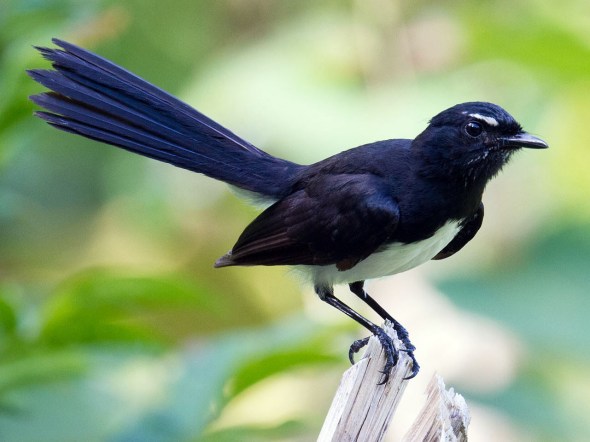
to copy Willie Wagtails

or Fairy-Wren trills.

While other birdsongs

are too hard to do –

screeching like Galahs

hurts my voice box too!


inspired by the Birds In Backyards website, where you can listen to 40 different Australian backyard birdsongs:

“Goodbye Teddies” by Toni Newell

2 Comments

Goodbye Teddies


Now life’s almost normal,

And time has moved along,

As I look at windows now,

The teddy bears have gone.

It was so great to see them,

Sitting on the window sill,

Or on the fence or in a tree,

Or wherever was the will.

During this terrible time,

It made us feel as one,

All sharing fear and concern,

The teddy bears were fun.

Thanks to those who took the time,

To share their teddy bear,

It displayed unity and kindness,

And showed  all you did care.


“My dog Jed” by Margaret Pearce

Leave a comment

My dog Jed

Is not argumentative

And can’t be said

To be offensive.


My dog Jed

Doesn’t cause trouble

Damage alleged

Was caused by his double.


My dog Jed

Loves to roam

Is selectively deaf

About coming home.


My dog Jed

So very courageous

In disgrace in the shed

I think it’s outrageous.


oooOooo


©

Margaret Pearce

“Bush Childhood” by J. R. Poulter

Leave a comment

“The Wedge-tailed Eagle” by Toni Newell

Leave a comment


The Wedge-tailed Eagle (Aquila audax) is the largest bird of prey in Australia and can be found throughout the country.

Its length is between 81-106 cm with a wing span of up to 232 cm. with a lifespan of up to 40 years,

It has an unmistakable wedge-shaped tail with feathered legs and in maturity has have a dark blackish brown plumage.

It is a carnivore and its diet consists of carrions, rabbits, hares but can also include foxes, feral cats, small kangaroos, possums wombats etc.


The Wedge-tailed Eagle


Graceful wings sore through the sky,

Majestically they fly on high,

Gliding, then they flap again,

Over paddocks of green terrain.

Drifting as they look for prey,

On this warm and sunny day.

Movement spotted on the ground,

Rabbits hopping all around.

The eagle swoops, its talons out,

Plucks a rabbit as it hops about.

Flies back home with all its might,

To enjoy supper that very night.


“The Phalarope” by Marque Dobrow

Leave a comment

The phalarope is a small shorebird which belongs to the sandpiper family. They are known for their distinctive nesting behaviour, and their unique feeding technique. The males and females do not fulfil typical gender roles.


The Phalarope


Have you heard of the phalarope bird?

Now I give you my word ~ its name isn’t absurd.

In terms of physique it couldn’t be slimmer

Which helps to make it an excellent swimmer.

Their feathers are most often black, red and white,

Then they’re grey in the winter: what a wondrous sight.


Within the Arctic region they breed

Where you’d think it too cold to perform such a deed.

In the Northern Hemisphere they lay eggs, then later

Spend their winters the other side of the equator.


Female phalaropes will court with their mate

Who in turn builds a nest so he may incubate.

The she-bird is larger in size than her fella,

So if she gained weight, I doubt he would tell her.

But here’s a grand fact that I think is worth hearing:

It’s the male who does the young phalarope-rearing.


And so, as these verses are nearing their end

Please consider the phalarope your friend.

If ever you see one from the ground down below

Keep your eyes gazing skyward and call out “hello”.


“The Sound of the Dodo Bird” By Louise McCarthy

Leave a comment


The dodo bird was last sited in the mid 1600’s. It did not fly and lived fearless, wandering

In woodlands around the coast of Mauritius. The nicobar pigeon is its closest existing relative. Fruit is thought to have been part of the dodo bird’s diet. Interestingly the digestion of the bird was aided by the use of a gizzard stone. It existed carefree until becoming prey to invasive species and sailors.


From the Nicobar Islands, the Nicobar Pigeon,

Decided to travel – its one great ambition.


The trip was well planned – by no means capricious,

It would meet cousin dodo on the coast of Mauritius.


But the pigeon from Nicobar was not up to date,

About the extinction – the Dodo Birds fate.


Woo-woooo, woo-woo-woe,

Woe-woe, where-where-why,

What-what, what-what, happened,

Where are you dear dodo?


And the Dodo bird made no sound…


“Billy Jo” by Toni Newell

Leave a comment

My little puppy ‘Billy Joe’,

Had a short nose,

As the weeks went by,

A question arose,

“Was it getting bigger,

As mischief was done,

Did it grow accordingly,

Reflecting all his fun?”

Food stolen from the table,

Accidents inside,

“Was he like Pinocchio,

Whose nose grew when he lied?”

He always looked so innocent,

But I knew it could not be,

The evidence was there,

Right in front of me.

In time his nose grew longer,

More damage I could see,

And then it slowly stopped,

I was happy as can be.

Billy’s nose stopped growing,

The older he became,

He was less destructive,

For it was his age that was to blame.